
Buying Property on the Italian Riviera: A Strategic Guide for International Buyers
Dreaming of owning a home on the Italian Riviera? This practical guide walks you through every step of the buying journey—from choosing the right location to securing your property—so you can transition to Mediterranean living with ease and confidence.
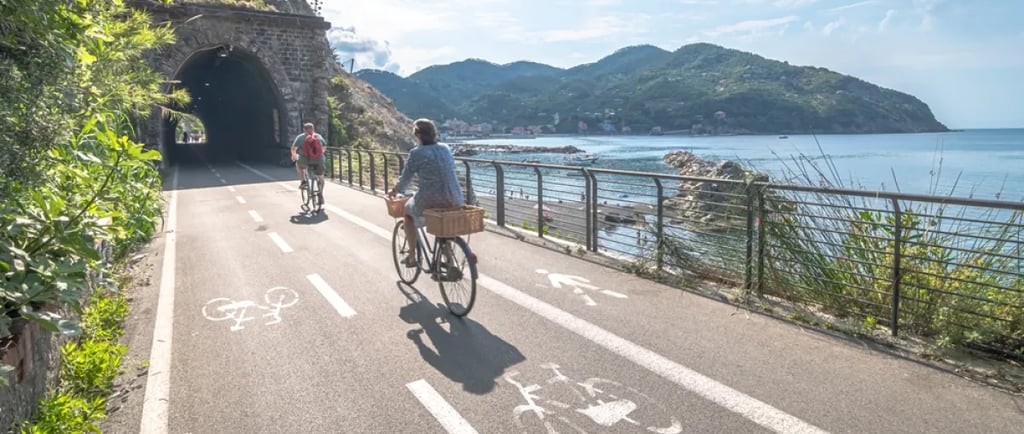

The Italian Riviera (stretching from Imperia to Ventimiglia) is one of the most attractive yet under the radar coastal regions in Southern Europe. Just minutes from the French border and 40 minutes from Monaco and Nice Airport, it offers a rare combination of:
Panoramic sea views
A mild, yearround microclimate
Walkable towns and authentic Italian lifestyle
Significantly lower prices than the French Riviera
But buying property here is not always straightforward, especially for international buyers unfamiliar with Italian processes, micro-locations, and negotiation dynamics.
This guide gives you a clear, modern, strategic roadmap to navigate the market safely and effectively.
1. Define Your Strategy Before Entering the Market
Most buyers start by browsing listings. That’s a mistake.
Before looking at properties, you need clarity on:
Purpose


Retirement or semiretirement
Lifestyle relocation
Investment or rental
Second home with year-round usability




Budget
Purchase price
Taxes (2%–9% depending on residency)
Notary + legal fees
Renovation or furnishing
Ongoing costs
Immediate move
Medium term transition
Investment-first, relocation-later
Timeline
The Italian Riviera has distinct micromarkets. Your strategy determines which areas, buildings, and price ranges make sense — and which to avoid.
2. Understand Micro Locations on the Italian Riviera
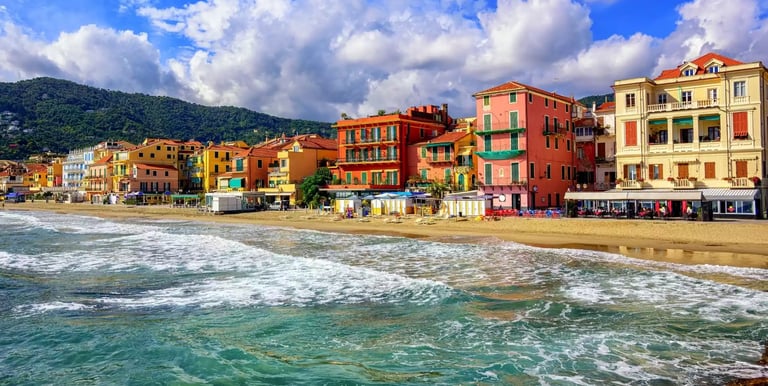
In the Riviera Ligure, location is everything. Two properties 500 meters apart can have completely different liquidity, rental potential, and long term value.


Low liquidity, low demand areas
Hillside properties far from services
Car dependent locations
Buildings with difficult access or steep terrain
Areas with limited year round activity
High liquidity, high demand areas
Seafront and promenade zones
Town centres with walkable access to cafés, pharmacy, supermarket
South-facing buildings with strong sunlight exposure
Properties near public transport and coastal paths
Friendly tip: Buyers from Northern Europe increasingly prioritize walkability, sunlight exposure, and year-round livability.
3. Filter the Market (and Don’t Trust Listings at Face Value)
Online listings show only part of the real market. Common issues include:
Duplicate listings
Outdated or withdrawn properties
Unrealistic asking prices
Incomplete or misleading photos
Missing floor plans
Actual transaction prices on the Italian Riviera are often 10–25% below asking, depending on condition, location, and seller motivation.
A disciplined filtering process avoids wasted trips and emotional decisions.
4. Engage the Market Strategically
Most foreign buyers contact multiple agencies. This creates fragmentation and confusion.
Remember:
Agents represent the seller, not you
Each agency sees only a slice of the market
The same property may appear with different prices
No single agent has full visibility
Best approach: Work with a single point of coordination who filters, validates, and negotiates on your behalf, ensuring consistency and protecting your interests.
5. Price Analysis & Negotiation
This is where most international buyers lose money.
To negotiate effectively, you need to understand:
Time on market
Seller profile and motivation
Comparable transactions
Building condition and renovation needs
Micro-location liquidity
Seasonal demand patterns
On the Italian Riviera negotiation margins can be significant but only when backed by data and local insight.


Book a Consultation
Schedule your free personalized consultation to start your Italian Riviera journey.
6A. Technical & Legal Due Diligence
Before committing, verify:
Cadastral compliance
Building permits and historical modifications
Condominium regulations
Structural integrity (especially in older Ligurian buildings)
Potential irregularities or unauthorized works
Liguria has many older buildings, and irregularities are common. Proper due diligence protects you from costly surprises.


6B. Understanding Italy’s Buying System -
What Every Foreign Buyer Must Know
Buying property in Italy involves several formal steps that international buyers must complete before signing any binding agreement. Understanding these requirements early prevents delays and ensures a smooth transaction.
Obtain a Codice Fiscale
Your Italian tax identification number, required for:
Property purchase
Opening a bank account
Utility activation
Signing contracts
It requires only a passport and a simple form.
Open an Italian Bank Account
Notaries often require a banker’s draft from an Italian bank for the final deed. An Italian account also simplifies:
Transferring funds
Paying taxes
Managing utilities and condominium fees
Request Full Property Documentation
Before making an offer, ensure the agent provides:
Title information
Cadastral data
Building compliance
Condominium rules
Expected taxes and ongoing costs
Seller’s solvency
Energy performance certificate
Italian agents are legally required to perform due diligence, but you should always verify independently.
Consider a Technical Survey
Especially important for older Ligurian buildings. A survey helps identify:
Structural issues
Unauthorized works
Renovation needs
Hidden costs
Speaking to neighbors can also reveal practical insights (noise, parking, seasonal activity).
Making an Offer
Negotiation typically begins verbally through the agent. You may then formalize your intent with a Proposta di Acquisto (purchase proposal), which becomes binding once accepted.
This step leads directly into the Preliminary Contract (Compromesso).
7. Offer & Preliminary Contract (Compromesso)
Once terms are agreed:
You sign a preliminary contract
Pay a deposit (typically 10–20%)
Both parties become legally bound
Backing out after this stage can be expensive. Your advisor and lawyer must validate every clause before signing.
8. Final Deed (Rogito)
The transaction is completed in front of a notary:
Balance is paid
Ownership is transferred
Keys are delivered
Timeline: Typically 1–3 months after the preliminary agreement.


Common Pitfalls to Avoid


Entering the market without a clear strategy
Relying solely on asking prices
Underestimating micro-location differences
Trusting listings without verification
Rushing into viewings without filtering
Negotiating without data
Skipping technical due diligence
Final Thoughts
But success requires:
Local understanding
Disciplined selection
Strategic negotiation
Proper legal and technical checks
Buying on the Italian Riviera can be an excellent decision. The region offers:
Strong value compared to the French Riviera
A mild, year-round climate
Walkable lifestyle
Negotiation opportunities
Long-term stability
About us
If you’re considering buying on the Italian Riviera, we help international buyers:
Filter the market
Identify real opportunities
Avoid overpriced or risky properties
Negotiate effectively
Manage the full process until key handover